
Cast Superalloy
Short Description:
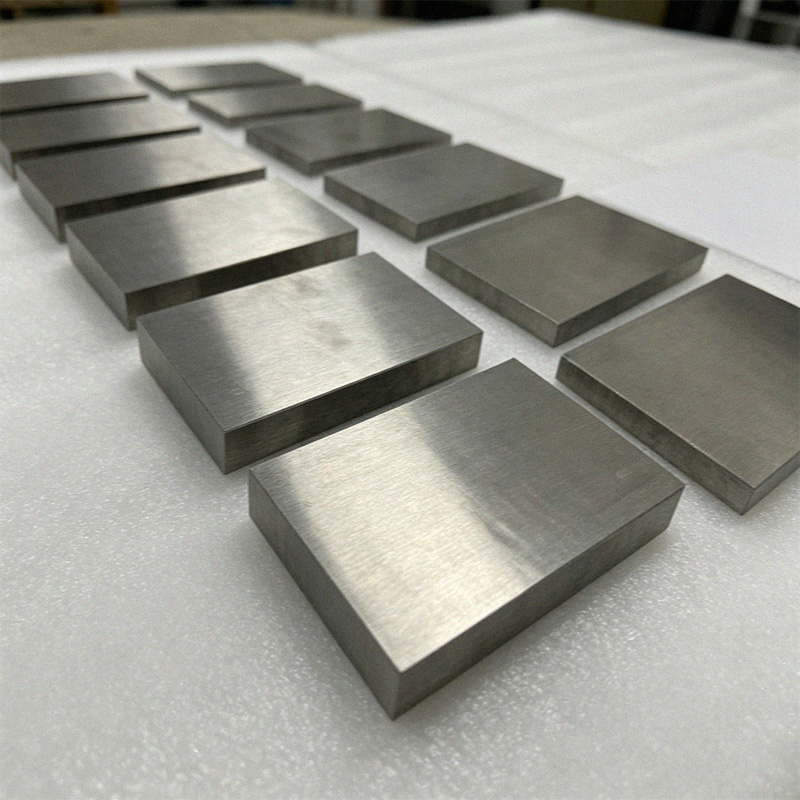
Cast Superalloy Overview Cast superalloys are high-temperature alloys shaped by casting processes. Compared to wrought alloys, the casting route offers greater freedom in compositional design and enables the production of components with arbitrarily complex geometries. Cast superalloys encompass three major series — equiaxed, directionally solidified (DS), and single crystal (SX) — delivering exceptional temperature capability and superior creep resistance under extreme thermal conditions. Ke...
Product Detail
FAQ
Product Tags
Cast Superalloy
Overview
Cast superalloys are high-temperature alloys shaped by casting processes. Compared to wrought alloys, the casting route offers greater freedom in compositional design and enables the production of components with arbitrarily complex geometries. Cast superalloys encompass three major series — equiaxed, directionally solidified (DS), and single crystal (SX) — delivering exceptional temperature capability and superior creep resistance under extreme thermal conditions.
Key Advantages
|
Attribute |
Description |
| Broad Compositional Range | High alloying flexibility; accommodates elevated levels of strengthening elements that would be difficult to process via wrought methods. |
| Complex Shape Casting | Capable of producing intricate, near-net-shape components that minimize subsequent machining. |
| Near-Net-Shape Processing | Reduces material waste and manufacturing cost by forming parts close to their final geometry. |
| Ultra-High Temperature Endurance | Retains mechanical integrity and oxidation resistance at temperatures exceeding 1,000 °C. |
Applications
- • Aerospace: Turbine blades, nozzle guide vanes, and combustor components
- • Marine: Diesel and gas turbine engines
- • Power Generation: Steam turbine core components
Representative Grades
|
Chinese Grade |
International Equivalent |
Series |
| K418 | Inconel 713C | Equiaxed |
| K438 | IN738 | Equiaxed |
| DZ417G | — | Directionally Solidified (DS) |
| DD406 | — | Single Crystal (SX) |
FAQ Content


